

Quick answer
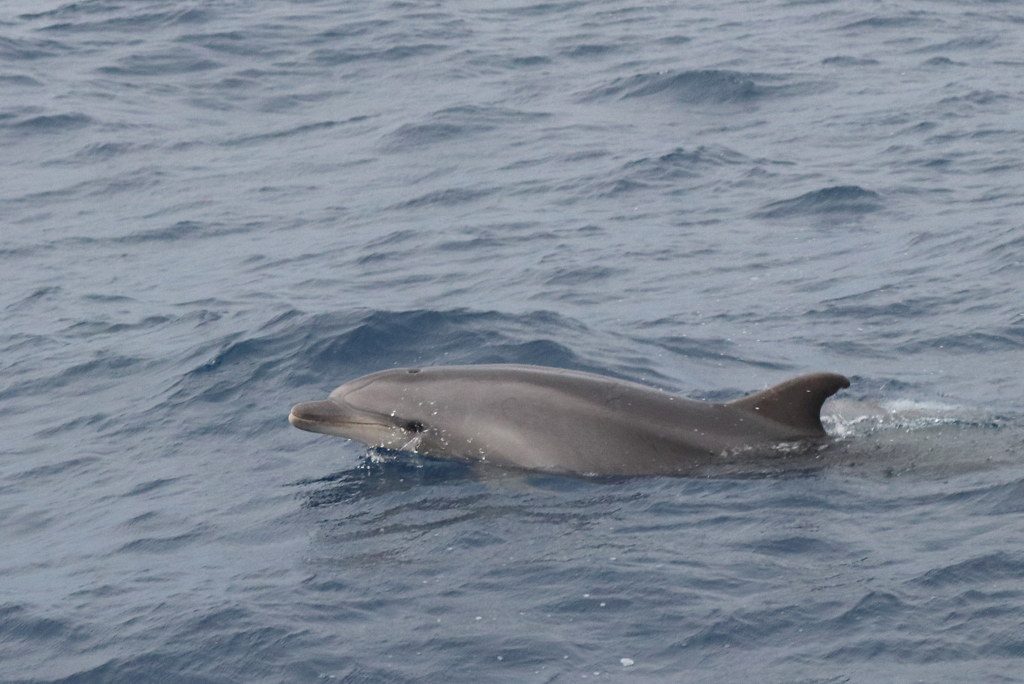
Yes, dolphins inhabit the waters around Mallorca, particularly in the Bay of Pollensa. Bottlenose dolphins (Tursiops truncatus) are resident year-round and offer the highest sighting probability, especially in early morning hours when marine activity peaks. Striped dolphins (Stenella coeruleoalba) visit the bay seasonally but remain less predictable. Boat excursions departing from Port de Pollença between 06:00 and 09:00 provide the most consistent encounters, with sighting rates exceeding 70 percent during optimal conditions.
Bottlenose dolphins maintain permanent populations in Pollensa Bay, drawn by abundant fish stocks and the protection of the marine reserve boundaries that extend north from the coastline. These cetaceans typically travel in pods of six to twelve individuals, foraging along the continental shelf where water depth transitions from shallow coastal zones to deeper offshore channels. Sighting probability varies by season—spring and early autumn register the highest encounter rates as fish migrations concentrate prey species in predictable corridors. Striped dolphins occupy deeper offshore waters and move into the bay opportunistically, following pelagic fish schools during summer months. Their presence is less reliable than the resident bottlenose population, but when conditions align—calm seas, high plankton concentration, and schooling anchovies—groups of twenty or more animals may appear within a few kilometers of the port. These encounters are brief; striped dolphins rarely linger in shallow coastal areas. The marine environment of Pollensa supports dolphin populations through a combination of bathymetric features and regulatory protection. The Llevant Peninsula creates sheltered conditions that reduce surface chop and improve visibility, while the Tramuntana mountain range funnels nutrient-rich currents along the northern coastline. Commercial fishing restrictions within designated zones have stabilized fish stocks, sustaining the prey base that keeps cetaceans in the region. Early-morning departures coincide with peak dolphin foraging activity, when animals move closer to shore and surface behavior becomes more frequent. Dolphin watching in Mallorca relies on ecological knowledge rather than guaranteed sightings. Captains familiar with seasonal movement patterns and real-time sea conditions position vessels along known travel routes, increasing encounter probability without disturbing natural behavior. The excursions operate under strict approach protocols—no chase tactics, no engine acceleration near pods, no attempts to touch or feed animals. These practices preserve the resident populations and maintain the integrity of dolphin behavior patterns that make repeated sightings possible.
“Bottlenose dolphins maintain permanent populations in Pollensa Bay, drawn by abundant fish stocks and the protection of marine reserve boundaries.”
Are There Dolphins in Mallorca: Species and Sighting Probability
The waters surrounding Mallorca support diverse cetacean populations, with the Bay of Pollensa serving as a frequent corridor for specific dolphin species. Understanding local marine biology clarifies why sightings depend on precise environmental conditions.
The most common species observed are the striped dolphin, Risso's dolphin, and the bottlenose dolphin, which favor the deep Mediterranean shelf. Scientific monitoring confirms these populations maintain residency throughout the year.
60 to 80 percent sighting probability
Reliable data from local observations indicate a high probability of encounters when sea conditions remain calm. Water temperature and the presence of prey schools are the primary factors influencing their movement into the bay.
2,000 meters depth proximity
The Balearic Sea features deep submarine canyons near the coast that attract various marine life. Dolphins utilize these areas for foraging, moving closer to the surface during the early morning hours.
250 kilograms average weight
Bottlenose dolphins in the Mediterranean typically weigh between 150 and 250 kilograms. They are highly social mammals that rely on complex sonar capabilities to hunt in the clear, temperate waters.
10 to 30 individuals per pod
Dolphins in this region often travel in pods ranging from 10 to 30 members. These social structures allow for more efficient cooperative hunting and protection of younger calves.
20 kilometers offshore navigation
Opening Hours for Excursions to See If Are There Dolphins in Mallorca
Dolphin watching excursions in the Bay of Pollensa operate on a specific morning schedule three days per week. These departures are timed to coincide with early morning conditions.
| monday | 06:00–09:00 | |
|---|---|---|
| tuesday | Closed | |
| wednesday | 06:00–09:00 | |
| thursday | Closed | |
| friday | 06:00–09:00 | |
| saturday | Closed | |
| sunday | Closed |
Getting to Port de Pollença for Are There Dolphins in Mallorca Sightings
Dolphin watching excursions depart from the marina in Port de Pollença, located on the northern coast of Mallorca. The port is most easily accessed by road via the Ma-2200 or Ma-2210.
Follow Ma-2200 north until reaching Port de Pollença
Take TIB line 301 from Palma Intermodal Station to Port de Pollença
Direct transfer from Palma de Mallorca Airport (PMI)
Check availability
Frequently asked questions about are there dolphins in mallorca
Everything you need to know about are there dolphins in mallorca